





Organisational Design: The Rise of the Agile Organisation
“Alone we can do so little, together we can do so much.” – Helen Keller
There’s a catchphrase doing the rounds lately, and that’s ‘teamwork makes the dream work!’. Annoying as it might be, it’s catchy and it sums up teamwork really well. In any sporting or business endeavour we need people who can ‘take one for the team’. We need people who look out for their teammates, take responsibility, work off their own initiative and genuinely care about whatever it is that they’re doing. Organisational design is being taken over by teams, and we need the right people on board in order to make our organisations more agile. Verne Harnish, author of ‘Scaling Up’, talks about his four key management decisions: strategy, execution, cash and people. The first three are great – and necessary – but without the right people on your team they won’t go very far.
Organisational design is changing
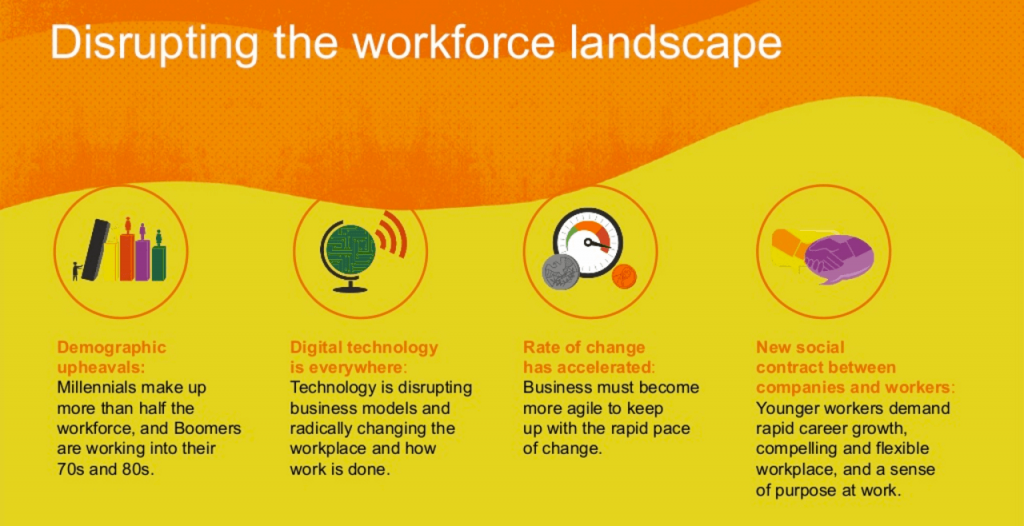
Organisational design is moving from a hierarchical structure to more equal, power-sharing teams, a different management style and a younger workforce. Deloitte identified four major driving forces behind these changes: demographic and generational upheavals, the prominence of digital technology, the increasingly rapid rate of change, and the changing expectations of younger workers. They asked executives some questions and found that 92% said that organisational design is a top priority, 39% were in the process of a restructuring and 6% were planning one.
The most noticeable change is that contract work is becoming more and more common. It doesn’t matter what level you’re at – you could be stacking shelves or you could be designing the organisational structure or any level in between – but it’s getting to the point where I believe it’s the future. We need flexible, agile organisations to be able to deal with this.
What can HR do?
Just like marmite, agile won’t suit everybody in every organisation – so don’t kid yourself by thinking otherwise. Many organisations don’t and never will function in an agile way. But for companies that want to stay cutting edge and move with the times, there are some things HR can do.
In any kind of organisation HR is critical to organisational functioning – they manage the legal compliance issues and they look after talent development. Their primary responsibility is to make sure the organisation has the right people. That’s the people with the right skill sets to help the organisation deliver on its goals. In agile organisations, this becomes even more important. Teams can have very loose structures and HR need to educate management on how to deal with that. Organisations need to be able to quickly develop teams that will get the job done efficiently. HR should support management by building structures and making sure the resources are there to allow that to happen.
The TTI approach
In agile organisations with a flatter structure, communication and leadership skills are critical. TTI tools include leadership development and communications development programmes that are built around our psychometric assessments. We look at factors such as behaviours, driving forces, motivators and acumen – all of which are really important in learning how to communicate and work with people in different teams. This information can also help match the right people to the right roles.
Thanks for reading. Please feel free to share on your networks using the buttons below!

Leaders here’s how to increase your Business Results by 21%
People possess more capability than they are currently expressing. Ordinary people as we’ve seen from the story above achieve extraordinary things under pressure. What if crisis is not the only catalyst? According to John Whitmore’s Coaching for Performance, some of this potential can be accessed and sustained through Coaching. Read our Simple Leaders Guide to Employee Development & Coaching.

Stop Blaming and Shaming to be Successful
Is your Team and bottom line suffering as a result of your lack of Personal Accountability?
Personal Accountability is the key ingredient. If we want to be a leader of character, we must embrace this competency. We must quit making excuses, re-establish our integrity and like Harry S. Truman place a sign on our desk that says ‘Let the “Buck Stop Here.’
We show you how to get Personally Accountable and back on track to Leadership success.

Stop doing this immediately if you want to be a successful leader
As a leader and in your companies this Growth mindset translates to being comfortable with feedback, accepting and admitting failure, collaborating rather than competing and learning from your mistakes. We see your Growth Mindset as an essential part of the Competency Continuous Learning. If you’re not quite there yet, we will show you how.
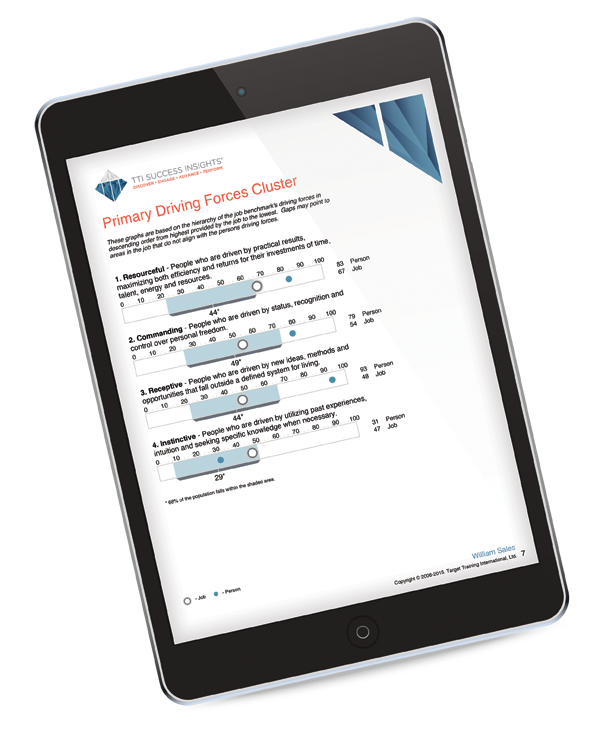
FREE DISC Assessment: Find out what your behaviours really are!
Have you ever taken a DISC Assessment? Actually… Have you ever taken a TTI DISC Assessment? Well why wait any longer, lets find out why you really behave the way you do!