




13 Top Tips for Effective Communication in Recruitment
Effective communication in recruitment is vital
They say you only get one chance to make a first impression. It goes without saying then that how you communicate, as an individual or as a company, is so important for how others perceive you. Particularly as a recruiter.
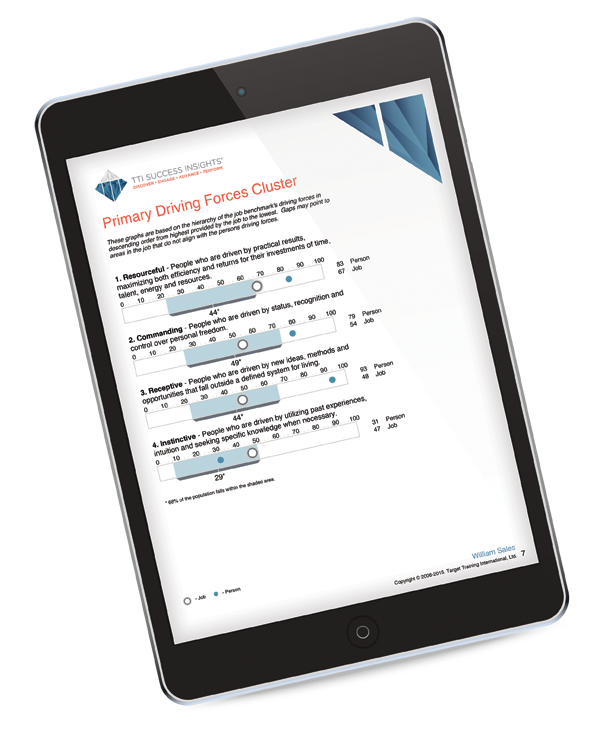
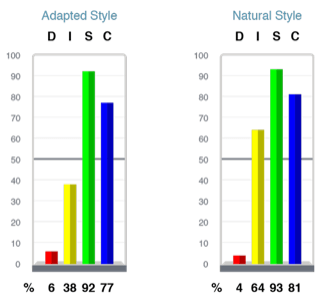
When it comes to effective communication in recruitment, you need the best tools. I highly recommend the DISC test. This is a behavioural assessment tool which measures four styles: dominance (D), influence (I), steadiness (S) and compliance (C).
DISC is all about how a person behaves based on their personality, and it is an extremely useful assessment for improving teamwork and communication.
To try it for free, or to see a sample, click here. What have you got to lose?
Below are 13 top tips to help your recruitment company improve communication, both within the company and when working with clients and candidates.
#1: Understand your own DISC style for effective communication in recruitment
Understanding your own DISC style can make a huge impact on your recruiting success. Are you a high D (dominance) – someone who is competitive, decisive and strong-willed? Or perhaps you are a high C (compliance) – someone who is careful, diplomatic and cautious?
Effective communication in recruitment starts with self-awareness and understanding. By understanding how YOU behave you can better understand how to communicate and interact with others.
#2: Use DISC to create clever advertisements
When you have benchmarked a role and you know the DISC profile and driving forces of your ideal candidate, you can target your advertisements in a more informed way.
A person whose driving forces are very commanding and resourceful will be attracted to a totally different type of advertisement than somebody driving forces are very altruistic and collaborative. Use this knowledge to your advantage.

#3: Apply DISC knowledge to selection interviews
You have found your ideal candidate and she is sitting in front of you ready to start her interview. Bring out the best in her by applying your knowledge of DISC.
As a high I (influence) she might appreciate the use of ‘feeling’ questions compared to a high D (dominance) who would probably prefer to stick to business.
It is your responsibility to make sure you understand the value a person can bring to a role.
#4: Triad debriefing using DISC
When you have selected a candidate for a role and your client is happy with them, it is a really good idea to carry out a triad debriefing. This involves debriefing the candidate’s DISC communication style with their boss and their team.
This can make a huge difference to their understanding of each other, as well as their performance.
#5: Improve office communication
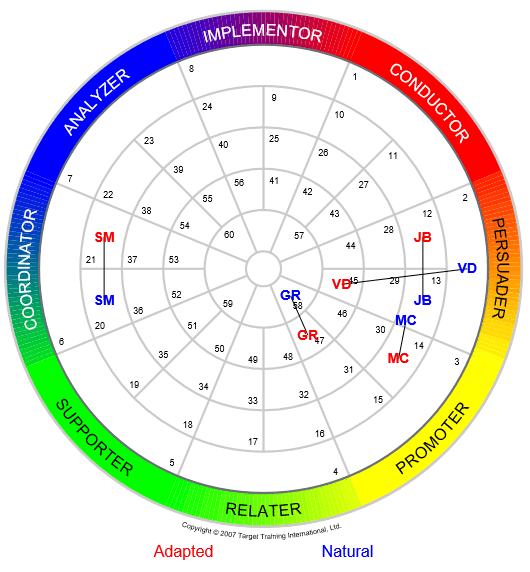
When it comes to effective communication in recruitment, internal communication is usually put on the back burner. Avoid this by printing out a group wheel of the team’s DISC styles and putting it on the wall.
#6: Focus on your employer brand
Every time you communicate is an opportunity to showcase your employer brand.
In fact, as Bamboo Crowd point out, every single thing a business does has an effect on how it’s perceived by potential employees. As a recruitment company, surely you want passionate recruiters who care about matching the right candidates to the right roles?
Regularly review your website and social media accounts and see if you would be attractive to potential future colleagues and candidates.
For more on developing your employer brand, click here.
#7: Avoid mass emails
Mass emails will be the death of effective communication in recruitment. It might be a lot easier to send them, but emails need to be personalised. If your candidate is worth contacting, they deserve to receive emails directed at them, instead of a mass email. It just doesn’t look good.
#8: Keep your job descriptions interesting
If you’re tired of reading your re-hashed job descriptions, the chances are they won’t inspire potential candidates either. Put a bit more effort into it and you will reap the rewards. Keep your first contact advertisement short and sweet.
#9: Follow up on every job application
We’ve all been there. We see a job we love and we apply for it, enthusiastically waiting for a reply. And then… nothing.
Don’t be that person. Show people the courtesy of valuing their time. A quick thank you email will do.
#10: Keep it simple
Clear, simple job advertisements work best. Put yourself in the shoes of the candidate. Does the advertisement look attractive? Does it have a positive tone and does it ask questions that make you want to respond with your application straight away? Keep it personal and meaningful, and avoid being too wordy or off-putting. Make it count.

#11: Don’t make people jump through hoops
Complicated application forms seem to have been invented to weed out the people who don’t really want the job. And that’s fair enough. But it can also mean losing valuable candidates.
Recruitment ADvisor advise that recruitment companies should avoid redirecting people to different sites or sending them elsewhere for information, as it can turn people away.
#12: Let candidates know when they can expect to hear from you
Nobody enjoys the job search waiting game. Respect candidates and give them a timeline indicating when they can expect to hear back from you.
#13 Inform candidates if you won’t be taking their application further
Like the point above, candidates appreciate being kept in the loop. It may be unpleasant to have to disappoint people, but at least then they’ll know and won’t be waiting by the phone for a response.
Final thoughts…
Developing effective communication in recruitment means working on understanding. It means no more hiring on the fly.
It means being prepared and aiming to understand the behaviours, motivators, driving forces, acumen and competencies of everybody you’re working with – including your colleagues, candidates and clients.
Try to implement some of the above steps and see if it doesn’t make a difference to your communication as a recruiter.

The importance of rest and integrity for success
Do you believe that there’s something else out there, that there’s some reason behind everything that happens? My experience has been that I’m much stronger and more resilient when I believe that there is. Stress is a silent killer. So, slow down, allow things to be, deal with what’s in front of you and don’t stress about things.

The powerful effect of simplicity on happiness
I truly believe that one of the keys to happiness is simplicity. Simplicity in our daily work, our messages and our singular focus for what brings meaning to our lives. When things are tough, try reminding yourself that you will be sleeping in your own bed tonight. No matter what lies ahead for the day, the idea of your own comfortable bed can get you through the day.

The top 5 characteristics of leadership and how to master them
Being able to lead yourself is a key element of leadership. This comes in the form of self-management, personal accountability and the ability to set and achieve goals. We’ve put together some tips to help you develop and hone these skills in order to become a more effective leader.