





An Insight into Organisational Culture
Culture is really interesting, mostly because nobody has a clue how to describe it. Countries have it, religions have it, and offices and organisations have it. We all know what it is, but it is very difficult to define, measure and manage. It’s a lot harder than it seems, especially when it comes to organisational culture. There are a lot of big cultural change programmes out there. They might look great on paper, but I find that they are often ineffective. Organisational culture is defined by the employees and how they feel about their jobs. It can’t be judged by a company’s mission statement, or a list of values that are written up on the wall. It’s all about what actually happens in practice.
So what is organisational culture?
Culture is difficult to define but it is still recognised as an important aspect of any business. According to a Deloitte 2016 report, 82% of respondents believe that organisational culture is a potentially competitive advantage. When you ask someone about the Coca-Cola brand or the McDonald’s brand, they’ll talk about the work they’ve done to build the success and value of their brand.
The customer owns the brand through the way they view the brand and the products, and not by the heads of the organisation. So then let’s apply the same concept to organisational culture. Who defines the organisation’s culture? The employees. You need to take it one person at a time. Like you build your health, you build it one piece at a time.

What’s the key to improving organisational culture?
So how do you create a good organisational culture? The key to effective organisational culture is having effective employees! Needlessly to say, HR has a critical role to play in the leadership of this. A good culture is when people are coming to work, they know what they need to do and they’re doing it, they’re effective and there’s a good atmosphere. Individuals need to understand what is expected of them and what they need to do.
When people are well matched to their jobs they feel motivated, engaged and happy. It’s from here that you can build a happy culture. One helpful thing that HR can do is to get clear on what needs to change. To improve organisational culture, make sure people are challenged but have the capacity to deliver. Start by benchmarking job roles. Take a good hard look at what exactly the job role is and write it up. Identify the characteristics and competencies of the ideal employee match for this role, and hire accordingly.
If a person is already in the role, benchmark their profile against the job requirements, create a development plan to bridge any gaps and implement it. Benchmarking can be really effective in building a good organisational culture.
The future of organisational culture
One thing that’s really helping improve organisational culture is transparency. With sites like LinkedIn and Glassdoor giving employees the chance to rate their organisations, it’s more important than ever that organisations actively seek to improve it.
One interesting thing Starbucks did was analyse social media entries. This gave them an objective view of the culture from the employee perspective. From there, they were able to take specific actions to address cultural weaknesses and build on strengths.
Organisational culture can’t be changed on paper. In fact, trying to change culture alone is futile. Look at what is not working, take steps to change it and organisational culture is bound to change. As culture drives people’s behaviour, innovation and customer service, it’s well worth trying to improve it.

12 Simple and Practical Tips for Embracing Healthy Conflict
All that passionate, productive debate you’d like from your meetings? You can’t expect it from a team that’s afraid of conflict! Teams that face up to conflict and engage in it productively are more likely to have interesting meetings, solve problems quickly and keep office politics to a minimum.

3 Powerful Ways to Develop Trust in Your Work Teams
When it comes to team training, I personally love by Patrick Lencioni’s book ‘The Five Dysfunctions of a Team’. The first of his five dysfunctions is the absence of trust. A sense of trust is critical to effective team training.

The Key to Success? Courageous, Daring Action!
I have a joke that I love to tell, and it goes like this. There are three birds sitting on a fence. Two decide to fly away, so how many are left? Three! Action is all that matters. When you act, it raises your self-esteem and performance and creates a cycle of success. People motivate themselves, and what motivates is action. The very act of moving into action creates success.
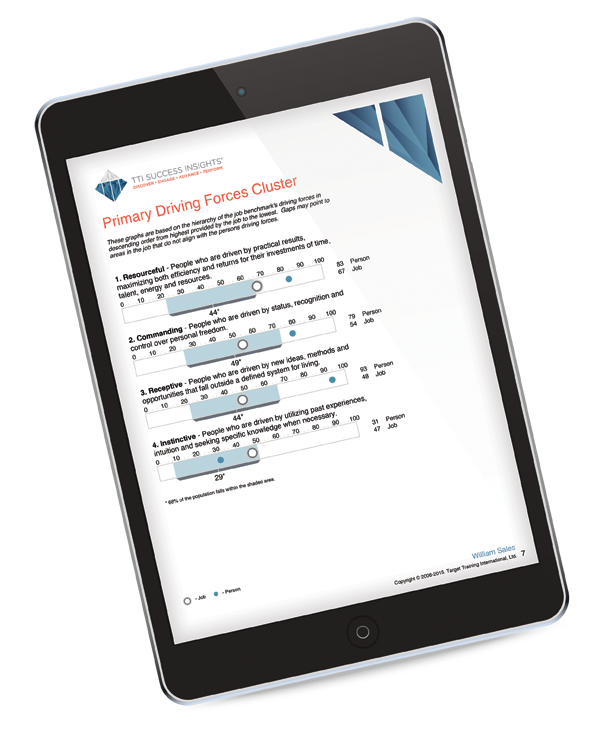
FREE DISC Assessment: Find out what your behaviours really are!
Have you ever taken a DISC Assessment? Actually… Have you ever taken a TTI DISC Assessment? Well why wait any longer, lets find out why you really behave the way you do!