





3 Powerful Ways to Develop Trust in Your Work Teams
Team training 101: The five dysfunctions of a team
Have you ever been part of a team that just worked? Where the team members just clicked and everybody pulled their weight to produce something extraordinary?
I have, but it hasn’t happened often.
It to be part and parcel of working with others where people just won’t gel or work well together.
Team training is a fine art. It starts with understanding the unique strengths and weaknesses of team members.
One way in which I’ve worked on my team training understanding is with the book ‘The Five Dysfunctions of a Team’ by Patrick Lencioni.
It’s one of the most remarkable books I’ve ever read and I find that I keep coming back to it again and again.
His five dysfunctions are: absence of trust, fear of conflict, lack of commitment, avoidance of accountability and inattention to results.
Over the period of the next four weeks, I will focus my blogs on these dysfunctions, and give you tips to overcome them in your training company.
The first is the absence of trust. This is usually the basis of all team training problems.
Dysfunction #1: The Absence of Trust
The first and most prominent dysfunction of teams is an absence of trust among team members.
When it comes to team training at work, trust mean having confidence that the intentions of colleagues are good.
It means showing up with your shortcomings and being open to asking for help.
Work environments where people are afraid to be open about their weaknesses and mistakes don’t function well.
The issue is vulnerability. If people can’t be true to themselves at work, then the team won’t flourish. Great leaders understand this.
Great leaders build trust, not walls
Truly great leaders lead from a place of vulnerability and honesty. They build trust, not walls.

The inspiring feat of Nelson Mandela as mentioned in Forbes is the perfect example of this.
When he was inaugurated as President, his former prison guards who abused him were invited to the ceremony as guests of honour.
The message is this: if Mandela could move on and trust, then so can you.
Your business might depend on it.
Absence of trust at work means that people waste time and energy trying to manage their interactions with one another. It eats into productivity.
To avoid this, leaders must demonstrate vulnerability first. They must put themselves out there and risk losing face in front of their team if they want to build trust in team training.
This helps create an environment where others can do the same. It builds a space for healthy conflict and creative ideas.
3 Tips for Building Trust in Your Workplace
#1: Be consistent
Inconsistency causes stress, especially in an office. If a team member is unpredictable in mood from one day to the next and is liable to “fly off the handle” at any moment, it can easily create a negative atmosphere and cause stress.
As Open Forum point out, people don’t produce their best work in this kind of environment.
#2: Foster a sense of accountability
For effective team training and building trust, encourage your team members to hold themselves and others accountable.
This involves carrying through with what you said you would do and always doing the best you can.
Your best can change depending on circumstances, but being honest with yourself and knowing you have given a good effort is central to accountability.
#3: Communicate the vision
Perhaps the most effective way to build trust is to be open, honest and communicate your vision.
Team training takes on a new momentum when direct supports are trusted with the realities of running a business.
Let your team know what’s going on in the business, and from there, communicate the dream and the vision of where the business is headed.
Final thoughts…
When it comes to team training, I personally love by Patrick Lencioni’s book ‘The Five Dysfunctions of a Team’.
The first of his five dysfunctions is the absence of trust. A sense of trust is critical to effective team training.
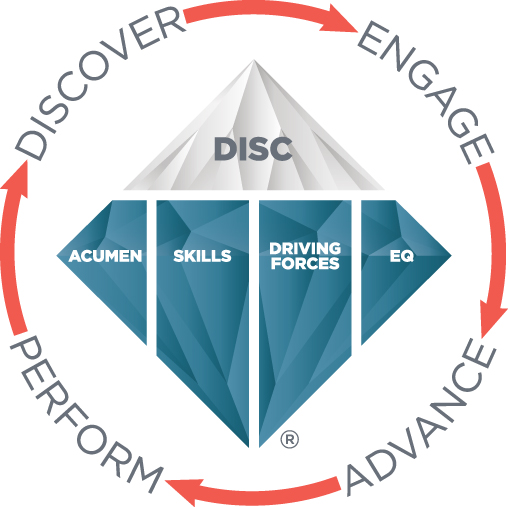
TTI tools can give powerful insights into a person’s behaviours, driving forces (motivators), acumen and competencies. Why not try it out on yourself with a free report?

The importance of rest and integrity for success
Do you believe that there’s something else out there, that there’s some reason behind everything that happens? My experience has been that I’m much stronger and more resilient when I believe that there is. Stress is a silent killer. So, slow down, allow things to be, deal with what’s in front of you and don’t stress about things.

The powerful effect of simplicity on happiness
I truly believe that one of the keys to happiness is simplicity. Simplicity in our daily work, our messages and our singular focus for what brings meaning to our lives. When things are tough, try reminding yourself that you will be sleeping in your own bed tonight. No matter what lies ahead for the day, the idea of your own comfortable bed can get you through the day.

The top 5 characteristics of leadership and how to master them
Being able to lead yourself is a key element of leadership. This comes in the form of self-management, personal accountability and the ability to set and achieve goals. We’ve put together some tips to help you develop and hone these skills in order to become a more effective leader.

UPCOMING WEBINAR: 8th March 2017 - '5 WAYS TO GUARANTEE TEAM SUCCESS'
Join me, Padraig Berry, and Ronan Flood for an in dept discussion where we will give you our best tips to forming highly successful teams.
Some of the topics we will cover are:
- Absence of Trust
- Fear of Conflict.
- Lack of Commitment.
- Accountability.
- How to achieve Collective Success.